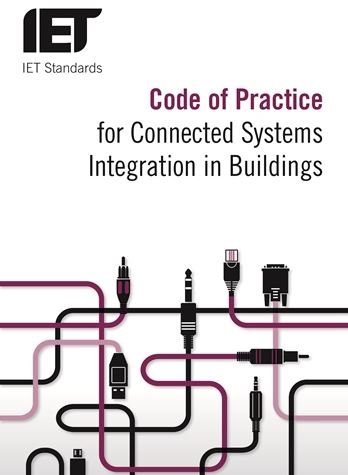
The Code of Practice for Connected Systems Integration in Buildings, which emerged from consultations with a range of technical experts, promotes best practice in the specification, design and integration of interoperable technologies in the built environment.
The IET, which has more than 167,000 members in 150 countries, set out to help practitioners on design, integration practice and technological considerations.
Covering common installation problems in the built environment, the document aims to improve connectivity, communications networking and connected systems integration for user access in both residential and commercial buildings.
The code of practice also outlines best-practice recommendations for cable routes, equipment space and ventilation, network bandwidth and power distribution.
And the document sets out to debunk a number of misconceptions and myths about the field.
“As technology develops and the demand for smarter, interconnected technology in our homes and buildings increases, the need for clear guidelines is essential,” said Sam Woodward, customer education leader at Lutron EA and lead author of the integration guidance.
“This guide aims to provide clarity on best practices for achieving a successful installation, with both wired and wireless systems, and to support engineers so that they can provide robust and reliable building systems.”
Find out more and purchase the code of practice here.
Subscribe to the IFSEC Insider weekly newsletters
Enjoy the latest fire and security news, updates and expert opinions sent straight to your inbox with IFSEC Insider's essential weekly newsletters. Subscribe today to make sure you're never left behind by the fast-evolving industry landscape.
Sign up now!